

Driving With Sciatica
How to Enjoy Your Summer VacationPlanning a summer vacation or road trip can be exciting, but it also comes with plenty of stress. From mapping out your route to packing the car and coordinating schedules, there's already enough to think about. Add sciatic nerve pain to the mix, and that long-awaited getaway can quickly begin to feel overwhelming—or even impossible.
Fortunately, there are steps you can take to help manage your symptoms and make travel more comfortable. Whether you're planning a weekend getaway or a cross-country road trip, understanding your condition and preparing ahead of time can help you stay focused on making memories instead of managing pain.
If you're unfamiliar with the condition, today's post will help you better understand how sciatica can affect your summer travel plans and what you can do to manage it. For a more comprehensive overview, including its causes, symptoms, diagnosis, and treatment options, visit our Sciatica condition page.
What is Sciatica?
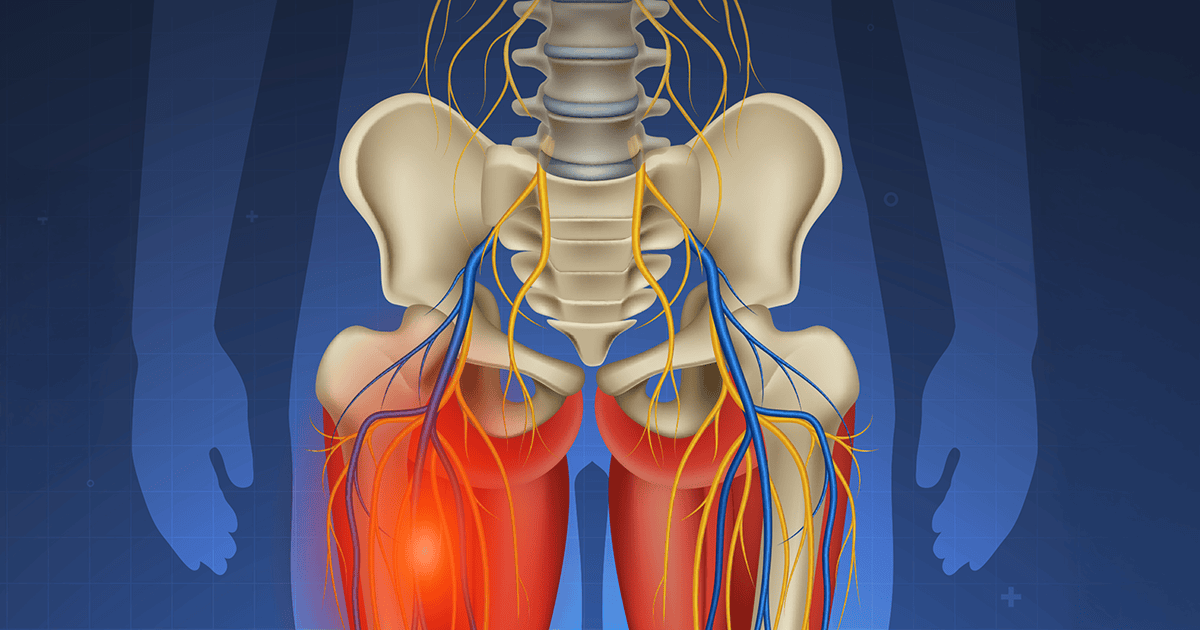
Sciatica is a symptom caused by irritation or compression of the sciatic nerve—the body's largest nerve—which runs from the lower back through the hips, buttocks, and down each leg.
When the sciatic nerve becomes irritated, it can cause pain that radiates from the lower back into the buttock, hip, leg, or foot. Many people also experience numbness, tingling, muscle weakness, or a burning sensation that makes sitting or standing for long periods uncomfortable.
Several spinal conditions can contribute to sciatic nerve pain, including herniated discs, lumbar spinal stenosis, degenerative disc disease, and lumbar spondylosis.
Why Driving With Sciatica Can Be So Difficult
Driving often requires sitting in the same position for long periods of time. Unfortunately, prolonged sitting is one of the most common triggers for sciatic nerve pain. However, the challenges don't end once you arrive at your destination.
Sciatica can affect nearly every part of your vacation by making it more difficult to:
- Sit comfortably during long drives
- Walk through museums, parks, or attractions
- Stand in lines
- Carry luggage
- Sleep comfortably in an unfamiliar bed
- Participate in outdoor activities
- Enjoy meals or entertainment while sitting
Chronic pain can also affect your mood, energy level, and overall enjoyment of the trip. Instead of focusing on making memories with family and friends, your attention becomes centered on managing discomfort.
Tips for Managing Sciatica During a Road Trip
While every patient is different, these general recommendations may help make travel more comfortable. Always follow your physician's recommendations regarding activity restrictions, medications, and treatment.
Talk With Your Traveling Companions Before You Leave
If you're traveling with family or friends, let them know about your condition before the trip begins. Explain that sitting for long periods may increase your pain and that you'll likely need to stop regularly to stand, stretch, and walk. Organizations such as the Arthritis Foundation also encourage travelers with chronic pain to plan ahead, communicate their needs, and build flexibility into their travel itinerary.
Having this conversation ahead of time helps set realistic expectations and allows everyone to plan a more enjoyable trip. Your travel companions can also help by sharing driving responsibilities when possible, assisting with luggage, or simply understanding why occasional breaks are an important part of managing your symptoms.
Most importantly, don't feel guilty about speaking up. A few extra stops along the way are far better than arriving at your destination in severe pain. Open communication can reduce stress for everyone and help ensure that your vacation is remembered for the experiences you shared—not the pain you endured.
Plan Frequent Stops
Avoid remaining seated for hours at a time. If possible, stop every hour or two to walk, stretch, and gently move your legs before continuing your trip.
Maintain Good Driving Posture
The Cleveland Clinic recommends maintaining good posture and using lumbar support while traveling to reduce stress on the lower back. Adjust your seat so you can comfortably reach the pedals without slouching. Proper lumbar support may help reduce stress on your lower back during long drives. A lumbar support cushion or even a rolled towel placed behind your lower back may improve comfort while driving.
Stay Active, But Know Your Limits
While rest has its place, remaining inactive for extended periods may actually worsen stiffness. Gentle walking and light movement are often encouraged for many patients with sciatica. If activities begin increasing your symptoms, listen to your body. A vacation should be enjoyable—not an endurance test.
Take Medications as Directed
If your physician has prescribed medication or recommended over-the-counter options, follow those instructions carefully. Don't wait until the pain becomes severe before addressing it.
Don't Try to "Power Through" Severe Sciatic Pain
Many people convince themselves they can simply push through the pain until the vacation is over. Unfortunately, severe sciatic nerve pain can worsen with continued irritation.
If your symptoms include increasing weakness, worsening numbness, severe pain, or changes in bladder or bowel function, seek medical attention immediately. The Mayo Clinic's guide to sciatica symptoms notes that these warning signs may indicate a more serious condition requiring prompt medical evaluation.
If you're already struggling to tolerate a short drive across town, an eight-hour road trip is unlikely to improve the situation. It's often better to address the underlying problem before traveling than to risk developing severe symptoms hundreds of miles from home.
When Conservative Care Isn't Enough
Many patients improve with conservative care, including activity modification, medications, stretching, and physician-directed exercise. However, persistent or worsening symptoms often require additional evaluation.
At Segura Neuroscience & Pain Center, our specialists diagnose the underlying cause of sciatic nerve pain and develop personalized treatment plans designed to improve comfort, mobility, and quality of life.
Depending on the cause of your symptoms, treatment may include:
- Epidural Steroid Injections
- Selective Nerve Root Blocks
- Radiofrequency Ablation
- Minimally Invasive Spine Procedures
- Spinal Cord Stimulation
Learn more about these treatment options on our Sciatica condition page and throughout our chronic pain treatment resources.

Don't Let Sciatica Keep You at Home
Driving with sciatica doesn't have to mean giving up on your summer vacation. By planning ahead, communicating with your traveling companions, following your physician's recommendations, taking frequent breaks, and recognizing your physical limits, many people can travel more comfortably.
However, persistent or worsening sciatic nerve pain should never be ignored. If driving has become painful—or impossible—there may be treatment options that can help address the underlying cause, restore your mobility, and help you get back to enjoying the activities and adventures that matter most.
Regain Your Quality of Life
The specialists at Segura Neuroscience & Pain Center understand how chronic sciatic nerve pain can affect every aspect of your life—from your daily commute to your family vacations.
If you're tired of planning your life around pain, we're here to help. Schedule a consultation with our experienced pain management team to learn what's causing your symptoms and explore treatment options that can help you get back on the road—and back to the activities you enjoy most.
About the Doctors

Ronald C. Segura, MD
Ronald C. Segura, MD is is double board certified in PM&R and Interventional Spine & Pain Medicine.
Dr. Segura attended LSU School of Medicine in New Orleans and completed a four-year residency training program in Physical Medicine & Rehabilitation. Dr. Segura's philosophy utilizes a multidisciplinary approach to healing pain. His treatment plan focuses on reducing pain and improving functional ability, which enhances one's quality of life.

Richard C. Roberston, Jr. MD
Richard C. Robertson, Jr., MD, is board certified by the American Board of Anesthesiology and the American Board of Interventional Pain Management.
Dr. Robertson earned his medical degree from the University of Mississippi. He completed his residency in anesthesiology at Ochsner Medical Center in New Orleans and further specialized his training by completing an ACGME-accredited fellowship in interventional pain management at Wake Forest University Baptist Medical Center in Winston-Salem, NC.
This website is not intended to provide specific medical advice, medical diagnosis, opinion, treatment or services to you or to any other individual. Through this website and links to other websites, Segura Neuroscience & Pain Center provides general information for educational purposes only. The information provided in this site is not a substitute for medical or professional care. You should not use this information in place of the advice of your physician or other healthcare provider. Segura Neuroscience & Pain Center is not liable or responsible for any advice, course of treatment, diagnosis or any other information, services or product you obtain through this website.
Questions? Ask our doctors
Schedule a Consultation