
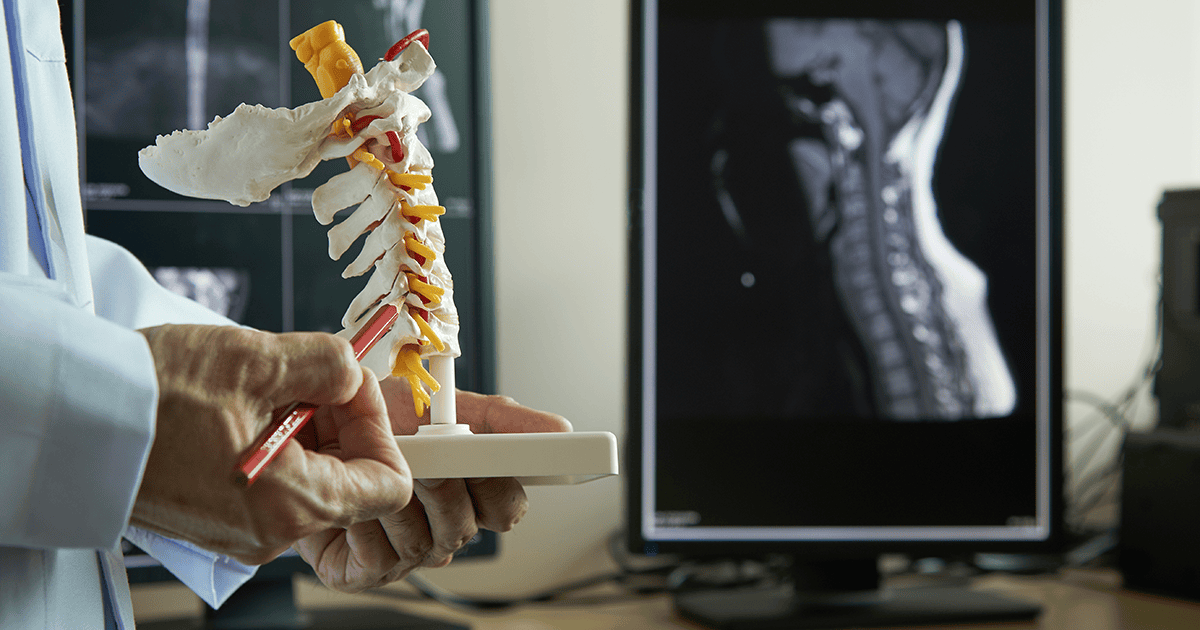
Steroid Injections for Neck Pain
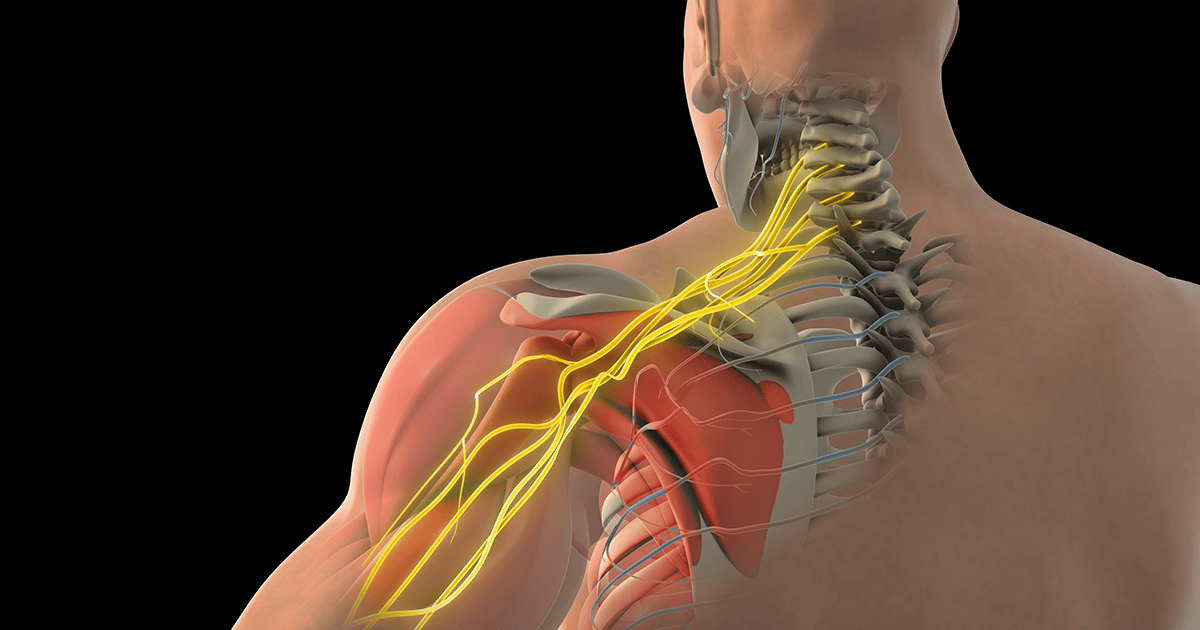
How Cervical Epidural Injections WorkNeck pain can have many causes. A herniated or bulging disc, degenerative changes in the cervical spine, or other conditions can irritate or put pressure on a nearby nerve. Pain may begin in the neck and travel into the shoulder, arm, or hand. Numbness, tingling, or weakness may also occur.
For appropriately selected patients, cervical epidural steroid injections may help reduce inflammation around an irritated nerve and provide relief.
While steroid injections are not appropriate for every type of neck pain, they offer a minimally invasive treatment option for some patients. In this article, we explain how cervical epidural steroid injections work, when they may be considered, what to expect during the procedure, and their potential benefits and limitations.
How Do Steroid Injections for Neck Pain Work?
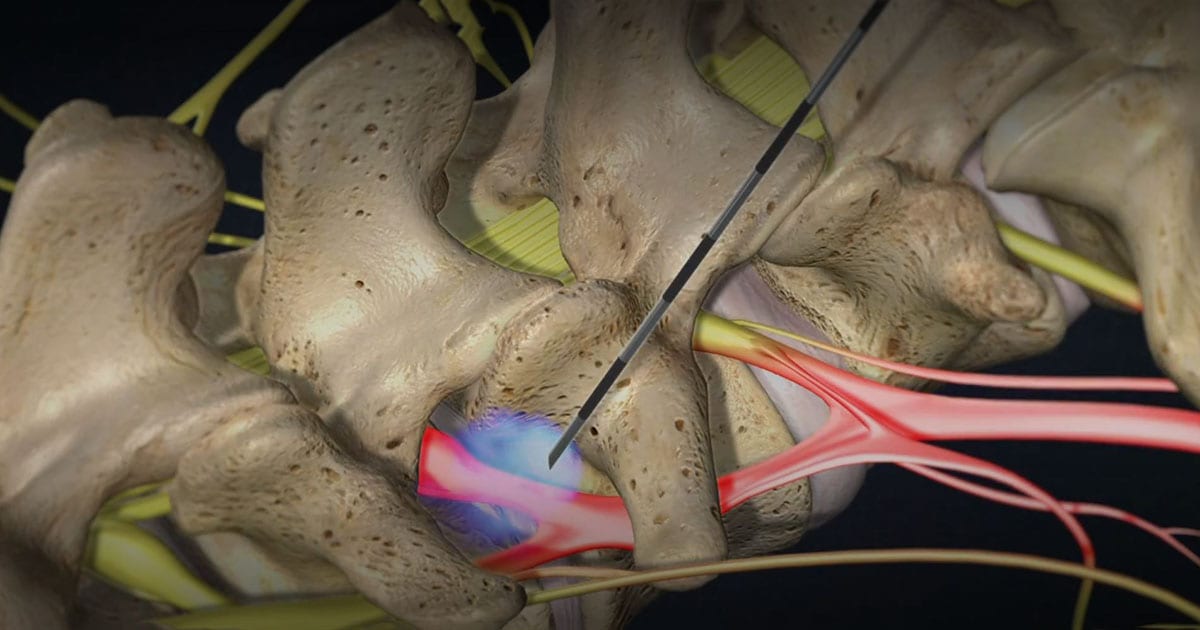
A cervical epidural steroid injection delivers anti-inflammatory medication into the epidural space of the cervical spine. This is the area surrounding the spinal cord and spinal nerves in the neck.
The goal is to place medication near an irritated or inflamed nerve. Corticosteroids reduce inflammation. When inflammation around a cervical nerve decreases, pain associated with that irritation may also decrease.
The injection does not repair a damaged disc or remove something that is physically pressing against a nerve. Instead, reducing inflammation may give the irritated nerve an opportunity to recover and may make it easier for the patient to resume normal activities or participate in rehabilitation.
Research suggests epidural steroid injections may provide short-term improvements in pain and disability for many patients with cervical radiculopathy.
Not All Neck Pain Is the Same
A sore or stiff neck does not automatically mean a cervical epidural steroid injection is appropriate.
Chronic neck pain can originate from muscles, joints, discs, nerves, injury, degenerative changes, or other problems within the cervical spine.
Cervical epidural injections are more specifically used when inflammation or irritation of a spinal nerve is believed to be contributing to the patient's symptoms.
One example is cervical radiculopathy. Often called a "pinched nerve," cervical radiculopathy can cause pain that travels from the neck into the shoulder or arm. Some patients also experience numbness, tingling, or weakness.
A herniated disc in the cervical spine is one condition that can irritate a nearby nerve and produce these symptoms.
This is why an accurate diagnosis matters. Treating "neck pain" without identifying its source can miss the underlying problem.
What Happens During a Cervical Epidural Steroid Injection?
Cervical epidural steroid injections are minimally invasive outpatient procedures.
The skin around the injection site is first numbed with a local anesthetic. Drs. Segura or Robertson then carefully guides a needle into the appropriate area of the cervical spine.
Imaging guidance, such as fluoroscopy, allows the physician to see the needle's position during the procedure. Contrast material may also be used to help confirm placement before the medication is administered.
Once the needle is appropriately positioned, the medication is delivered into the epidural space near the affected nerve or nerves.
Patients will receive specific instructions about preparation, medications, and activity before and after the procedure.
How Long Does Pain Relief Last?
A cervical epidural steroid injection can provide meaningful pain relief for appropriately selected patients. The amount and duration of relief vary depending on the cause and severity of symptoms and other individual factors.
A 2025 systematic review from the American Academy of Neurology found that epidural steroid injections probably reduce short-term pain and disability in patients with cervical or lumbar radiculopathy. Evidence remains insufficient to determine whether epidural steroid injections provide long-term pain reduction for radiculopathy.
This is one reason cervical epidural steroid injections should be viewed as one possible component of a larger treatment plan rather than a guaranteed solution.
How Often Can You Receive Steroid Injections?
Because repeated steroid exposure can have effects on the body, cervical epidural steroid injections are not intended to be given indefinitely or according to an automatic schedule. Dr. Segura or Dr. Robertson considers a patient's response to a previous injection, overall health, symptoms, and treatment goals before recommending another injection. The goal is to use the lowest effective steroid exposure while balancing potential pain relief with the risks of repeated treatment.
An Individualized Approach to Neck and Nerve Pain
At Segura Neuroscience & Pain Center, chronic pain treatment is based on understanding the individual patient rather than treating pain as an isolated symptom. The practice emphasizes personalized, evidence-based care for patients in Covington, Mandeville, and communities across Louisiana's Northshore.
Ronald C. Segura, MD is double board certified in Physical Medicine & Rehabilitation and Interventional Spine & Pain Medicine. His training includes diagnostic and therapeutic fluoroscopically guided spinal injections. His treatment philosophy emphasizes reducing pain while improving function and quality of life.
Richard C. Robertson Jr., MD is double board certified in Anesthesiology and Interventional Pain Management and completed fellowship training in interventional pain management. His multimodal approach may incorporate physical therapy, home exercise, medication, and minimally invasive interventions based on the patient's condition.
Both approaches reflect an important principle: the appropriate treatment depends on uncovering the root cause of the patient’s pain.
Could a Cervical Epidural Injection Help Your Neck Pain?
Persistent neck pain—especially pain that travels into the shoulder, arm, or hand—should not simply be ignored. While many cases improve with conservative treatment, ongoing or worsening symptoms can sometimes indicate continued irritation or compression of a cervical nerve. Increasing numbness, tingling, or weakness may warrant further evaluation.
The first step is determining why you hurt. From there, Dr. Segura or Dr. Robertson can discuss whether a cervical epidural steroid injection or another treatment may be appropriate.
If neck or nerve pain is interfering with your daily life, contact Segura Neuroscience & Pain Center to schedule an evaluation in Covington, Louisiana.
About the Doctors

Ronald C. Segura, MD
Ronald C. Segura, MD is is double board certified in PM&R and Interventional Spine & Pain Medicine.
Dr. Segura attended LSU School of Medicine in New Orleans and completed a four-year residency training program in Physical Medicine & Rehabilitation. Dr. Segura's philosophy utilizes a multidisciplinary approach to healing pain. His treatment plan focuses on reducing pain and improving functional ability, which enhances one's quality of life.

Richard C. Roberston, Jr. MD
Richard C. Robertson, Jr., MD, is board certified by the American Board of Anesthesiology and the American Board of Interventional Pain Management.
Dr. Robertson earned his medical degree from the University of Mississippi. He completed his residency in anesthesiology at Ochsner Medical Center in New Orleans and further specialized his training by completing an ACGME-accredited fellowship in interventional pain management at Wake Forest University Baptist Medical Center in Winston-Salem, NC.
This website is not intended to provide specific medical advice, medical diagnosis, opinion, treatment or services to you or to any other individual. Through this website and links to other websites, Segura Neuroscience & Pain Center provides general information for educational purposes only. The information provided in this site is not a substitute for medical or professional care. You should not use this information in place of the advice of your physician or other healthcare provider. Segura Neuroscience & Pain Center is not liable or responsible for any advice, course of treatment, diagnosis or any other information, services or product you obtain through this website.

Questions? Ask our doctors
Schedule a Consultation